

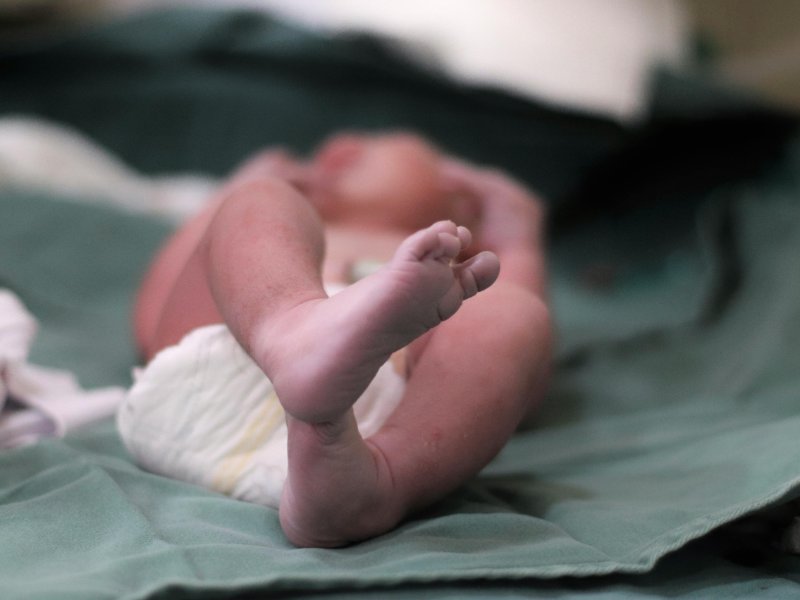
A birth injury lawsuit is a type of medical malpractice claim filed when a child is harmed before, during, or shortly after delivery due to negligent medical care. Unlike birth defects, which are often genetic or unavoidable, birth injuries may result from preventable mistakes such as improper use of delivery tools, failure to monitor fetal distress, or delays in performing a necessary C-section. These claims are typically brought against healthcare providers, including doctors, nurses, or hospitals, whose actions (or inaction) fell below the accepted standard of care.
Why Evidence Is Critical in Birth Injury Cases
Evidence is the foundation of any successful birth injury lawsuit. To recover compensation, the plaintiff must prove that the medical provider owed a duty of care, breached that duty, and directly caused the child’s injury, resulting in damages. Without strong, well-documented evidence, it becomes difficult to establish this connection. According to experienced Chicago birth injury lawyer at Gill Ports Hoste LLC, these types of medical malpractice cases are often complex and heavily contested, making credible and detailed evidence essential to demonstrating negligence and securing a favorable outcome.
Key Types of Evidence in a Birth Injury Lawsuit
Several forms of evidence are commonly used to support a birth injury claim.
- Medical records: These include prenatal care records, labor and delivery notes, fetal monitoring strips, APGAR scores, and neonatal records. They establish a timeline of care and can reveal whether medical providers properly responded to complications or warning signs.
- Expert medical testimony: Qualified medical experts review records and explain whether the standard of care was met. Their testimony helps translate complex medical information into clear conclusions about negligence for a judge or jury.
- Diagnostic tests and imaging: MRIs, CT scans, ultrasounds, and lab results can help determine the severity and timing of the injury. This evidence is often critical in showing whether the harm occurred during labor or delivery.
- Witness statements: Testimony from parents, family members, nurses, or other staff can provide firsthand accounts of what occurred. These statements may support or challenge the accuracy of medical records.
- Hospital policies and protocols: Internal guidelines for labor and delivery care can be compared to the actions taken by medical staff. Deviations from these standards may indicate negligence.
- Photographic or video evidence: Images or recordings of the child’s condition can document visible injuries and help demonstrate how the condition developed over time.
- Financial records and life care plans: Medical bills, therapy costs, and expert-created life care plans help show the financial impact of the injury, including long-term care needs and future expenses.
How a Birth Injury Attorney Gathers and Preserves Evidence
Experienced birth injury attorneys take a systematic approach to gathering evidence. They begin by obtaining all relevant medical records and carefully reviewing them for inconsistencies or signs of negligence. Attorneys often consult with medical experts early in the process to evaluate the strength of the claim.
During the discovery phase, attorneys may conduct depositions, request additional documentation, and gather testimony under oath. They also take steps to preserve evidence, ensuring that critical records are not lost or altered. Acting quickly is important, as delays can make it more difficult to obtain accurate and complete information.
Challenges in Proving Birth Injury Claims
Proving a birth injury claim can be challenging for several reasons. Medical records may be incomplete or difficult to interpret, and healthcare providers often have strong legal defenses. Conflicting expert opinions can also complicate the case, as each side may present differing views on whether negligence occurred.
Another common challenge is establishing causation. The defense may argue that the child’s condition was due to a pre-existing issue or unavoidable complication rather than medical negligence. Overcoming these obstacles requires thorough evidence and skilled legal representation.
How Parents Can Help Strengthen Their Birth Injury Case
Parents play an important role in building a strong birth injury case. Keeping detailed records of medical visits, symptoms, and conversations with healthcare providers can provide valuable evidence. Seeking a second medical opinion may also help confirm whether negligence occurred.
It is equally important to consult an experienced birth injury attorney as soon as possible. Early legal guidance can help preserve evidence, identify key experts, and ensure that important deadlines are met. By taking these steps, parents can better protect their child’s rights and improve their chances of a successful outcome.




No Comment