

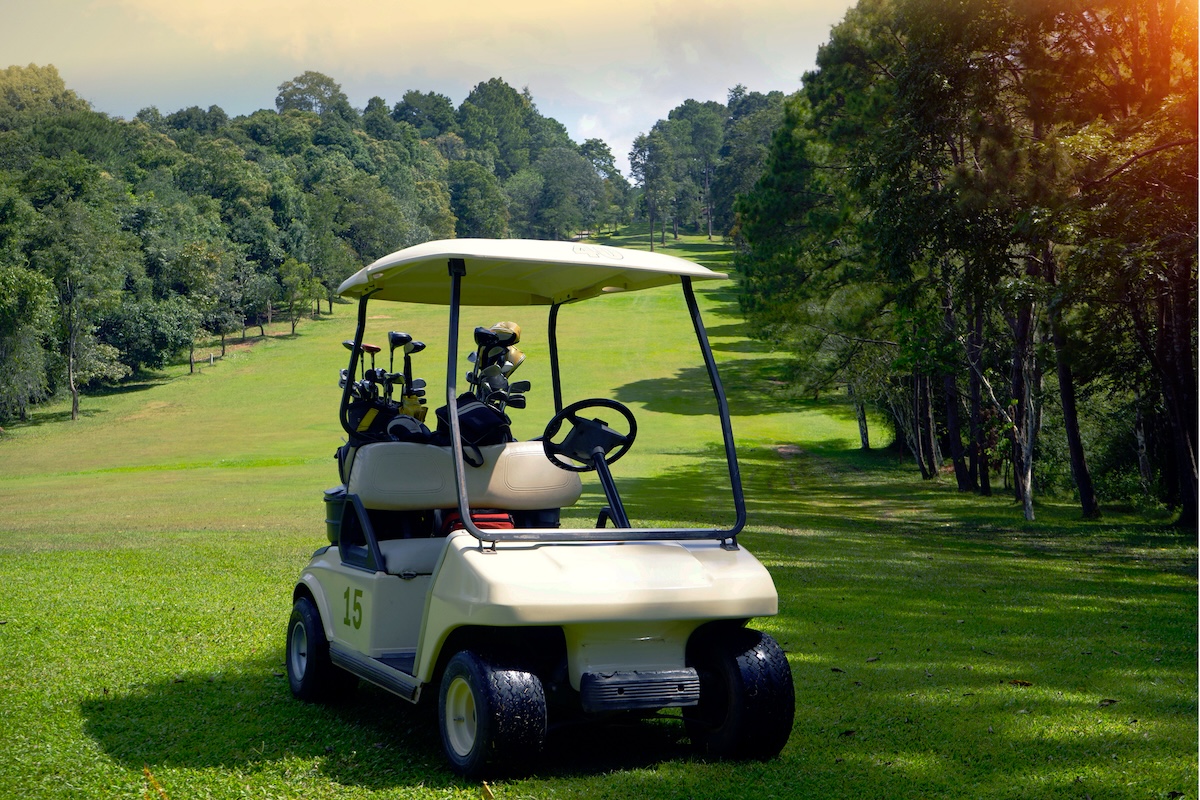
Golf cart accidents are often treated as minor mishaps, but they can lead to unexpected complications and serious injuries. As golf carts are seeing increased usage in neighborhoods, resorts, college campuses, and retirement communities, understanding what happens after an accident is increasingly important.
A decade-long analysis of golf cart accident statistics shows that thousands of people are treated in emergency rooms each year after golf cart-related incidents. Awareness of post-accident outcomes can help drivers and passengers better prepare for medical, insurance, and recovery-related issues.
What Happens Immediately After a Golf Cart Accident
The main priority after being involved in a golf cart accident is seeking medical care. Even if injuries seem minor, symptoms such as head trauma, internal injuries, or spinal damage may not appear right away. Seeking medical evaluation can help identify injuries early and prevent complications.
Depending on where the accident occurs, individuals may also need to document the incident, report it to property managers or local authorities, and notify insurance providers. Golf carts are often used on private property; reporting procedures may differ from those for traditional vehicle crashes.
Common Injuries After a Golf Cart Accident
Golf carts lack many of the safety features found in passenger vehicles, such as seat belts, airbags, and reinforced frames. As a result, injuries can occur even at relatively low speeds.
Some of the most common injuries include:
- Fractures: Broken arms, legs, wrists, and ankles are common, especially when riders are ejected.
- Head injuries: Concussions and traumatic brain injuries can occur when passengers hit the ground or another surface.
- Spinal injuries: Neck and back injuries may result from rollovers or sudden impacts.
- Soft tissue injuries: Bruises, cuts, sprains, and strains are frequently reported.
Many golf cart injuries occur not from collisions with other vehicles, but from passengers being thrown from the cart during sharp turns or sudden stops.
What Recovery May Look Like
Recovery after a golf cart accident can vary widely depending on the severity of injuries. Some individuals may only require brief medical treatment, while others may need hospitalization, physical therapy, or long-term rehabilitation.
Common recovery-related issues include:
- Follow-up medical appointments
- Physical therapy or rehabilitation programs
- Time away from work or school
- Ongoing pain management or mobility limitations
Even seemingly minor injuries can have lasting effects, especially when head or spinal injuries are involved.
Why Golf Cart Accidents Happen
Understanding why golf cart accidents occur can help reduce the likelihood of future incidents. Several recurring factors contribute to these crashes.
Distracted Driving
Distracted driving is a major factor in many golf cart accidents. Unlike traditional vehicles, golf carts are often used in relaxed, social settings, which can encourage drivers to divide their attention. Talking with passengers, looking around, holding drinks, or assuming conditions are safe can all reduce reaction time.
Even brief inattention can cause a driver to miss obstacles, fail to slow down, or lose control of the cart, particularly on narrow paths or uneven terrain.
Sharp Turns and Loss of Control
Golf carts have a high center of gravity and a narrow wheelbase, which makes them more prone to tipping during turns. Taking corners too quickly or overcorrecting steering can destabilize the vehicle and eject passengers.
Passenger Behavior and Overcrowding
Passengers can unintentionally contribute to accidents. Standing while the cart is moving, shifting weight during turns, or riding on the edges of seats can affect balance. Overcrowding the cart increases the likelihood of ejection during sudden maneuvers.
Alcohol and Impaired Judgment
Golf carts are frequently used in recreational environments where alcohol consumption is common. Impaired judgment and slower reaction times can significantly increase the risk of accidents, even when driving slowly.
Inexperienced or Young Drivers
Teenagers and inexperienced drivers account for a disproportionate number of golf cart injuries. In many communities, young drivers operate carts without formal training or supervision, increasing the likelihood of crashes.
Why Golf Cart Accidents Are Becoming More Common
Several trends have contributed to the rise in golf cart accidents over the past decade.
Expanded Use Beyond Golf Courses
Golf carts are increasingly used for everyday transportation in residential communities and shared spaces. More use naturally increases exposure and accident risk.
Limited Safety Features
Most golf carts are not equipped with seat belts, doors, or airbags, which increases injury risk during collisions or rollovers.
Perception of Safety
Because golf carts operate at low speeds, many drivers underestimate the risks. This perception can lead to complacency, distraction, and risk-taking behavior that would be avoided in traditional vehicles.
How to Reduce the Risk of Golf Cart Accidents
While golf carts are convenient, simple safety measures can help reduce the likelihood of accidents and injuries:
- Avoid distracted driving
- Slow down during turns and on uneven terrain
- Limit the number of passengers
- Avoid alcohol use while operating a golf cart
- Supervise young or inexperienced drivers
Treating golf carts with the same caution as other vehicles can help prevent serious injuries.
Staying Safe When Using Golf Carts
Golf carts may seem harmless, but accidents involving these vehicles can lead to serious injuries and long-term consequences. As golf carts continue to be used beyond golf courses and in everyday settings, awareness of the risks and potential outcomes becomes increasingly important.
By understanding what happens after a golf cart accident, along with common injuries, recovery considerations, and contributing factors, drivers and passengers can make safer choices and reduce the likelihood of preventable harm.




No Comment