

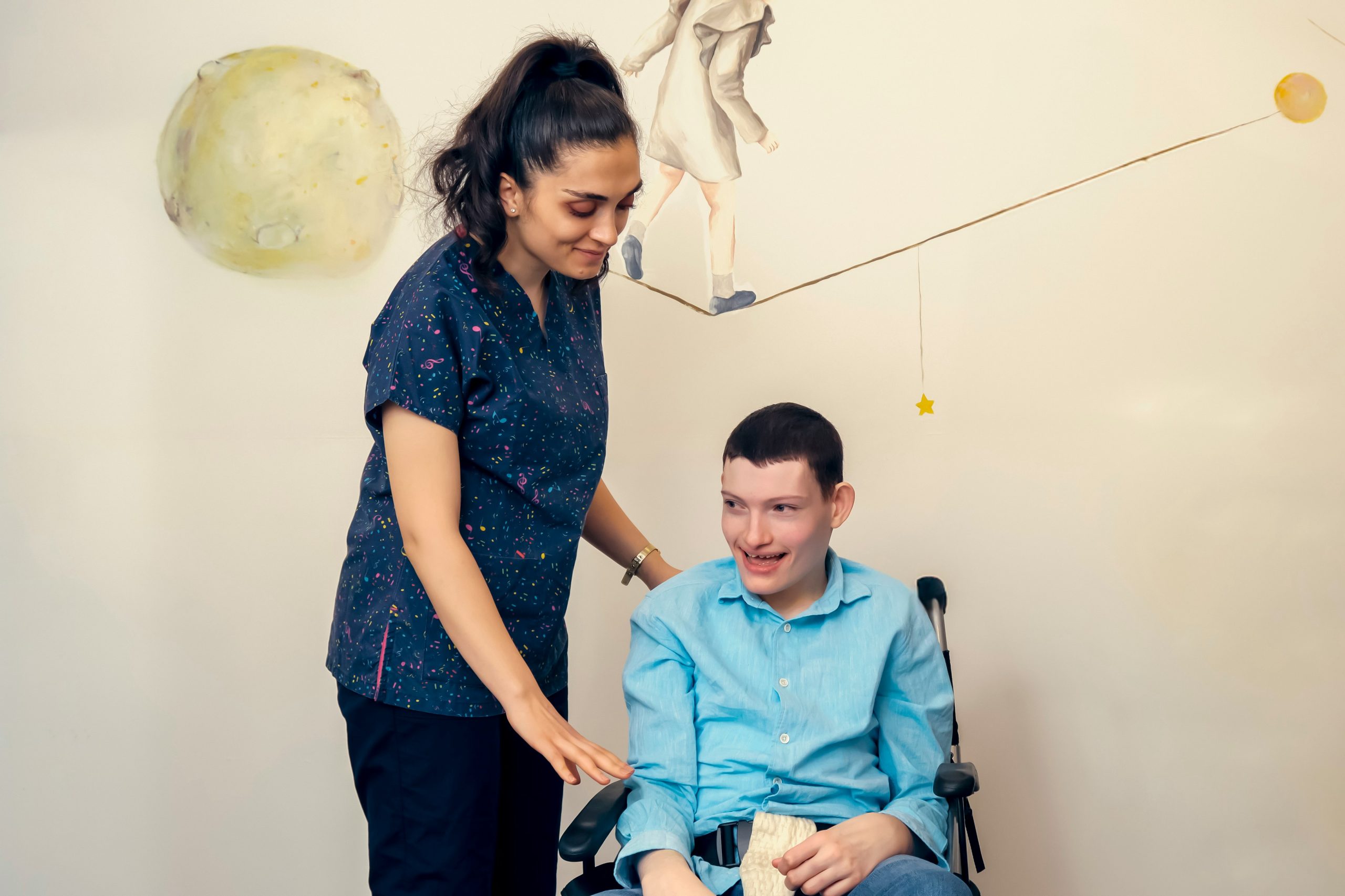
A cerebral palsy diagnosis can feel overwhelming for parents and caregivers. Questions about your child’s future, independence, health, and quality of life often surface immediately. While cerebral palsy is a lifelong neurological condition, the long-term outlook can vary widely depending on the type of cerebral palsy, the severity of symptoms, how early treatment begins, and the experience of your Philadelphia birth injury attorney.
Many children with cerebral palsy grow into adults who live full and meaningful lives. With the right therapies, medical care, and emotional support, long-term outcomes can improve significantly.
Signs That May Affect Cerebral Palsy Outcomes
Every child’s experience with cerebral palsy is unique. However, certain signs and factors can help doctors and therapists estimate long-term outcomes. These signs do not determine a child’s potential, but they can provide insight into areas where additional support may be needed.
Factors that may affect prognosis include the severity of movement limitations, the ability to sit, crawl, or walk independently, the presence of cognitive or learning delays, speech and swallowing difficulties, vision or hearing impairments, seizure disorders, and muscle stiffness or involuntary movements.
Children with mild cerebral palsy may only experience subtle coordination challenges, while those with more severe involvement may require lifelong assistance with mobility and daily activities. Early developmental milestones often give doctors important insight into long-term function.
Can Cerebral Palsy Prognosis Get Worse Over Time?
Cerebral palsy is considered non-progressive, meaning the original brain injury does not worsen over time. However, the effects of cerebral palsy can change as a child grows.
As children mature, they may experience increased muscle tightness, joint pain or deformities, fatigue from overworked muscles, hip dislocations, scoliosis, and challenges with balance and coordination. Without proper treatment, these secondary complications can make daily movement more difficult over time.
With consistent medical care and therapy, many children actually improve their abilities as they grow and gain greater independence. Ongoing treatment plays a major role in preventing complications and supporting long-term mobility.
How to Improve Your Child’s Prognosis for Cerebral Palsy
One of the most important factors in improving long-term outlook is early and consistent intervention. The sooner therapy and medical support begin, the more opportunity the developing brain has to adapt and build new neural pathways.
Physical therapy helps improve strength, balance, posture, and range of motion. Occupational therapy supports fine motor skills and daily activities such as eating, dressing, and grasping objects. Speech and feeding therapy assist with communication, swallowing, and facial muscle control.
Medical treatments may include muscle relaxants, injections, orthopedic care, and assistive devices to reduce pain and improve function. Assistive technology such as walkers, wheelchairs, communication devices, and adaptive tools can greatly improve independence at home, school, and in the community.
Consistent emotional support, educational planning, and family involvement are also essential to helping children reach their full potential.
Support Helps a Better Cerebral Palsy Prognosis
Families of children with cerebral palsy benefit greatly from a strong network of medical professionals, therapists, educators, and community resources. Long-term success is supported through coordinated care and ongoing access to services.
Helpful support systems include pediatric neurologists, orthopedic specialists, early intervention programs, individualized education plans, in-home nursing care, respite services, parent support groups, and adaptive sports programs.
Financial recovery can also play a major role in long-term stability. If cerebral palsy resulted from a preventable medical error during pregnancy, labor, or delivery, a birth injury claim may help cover medical care, therapy, specialized education, mobility equipment, and in-home assistance. Legal compensation can ease long-term financial strain and ensure access to essential care throughout life.





No Comment