

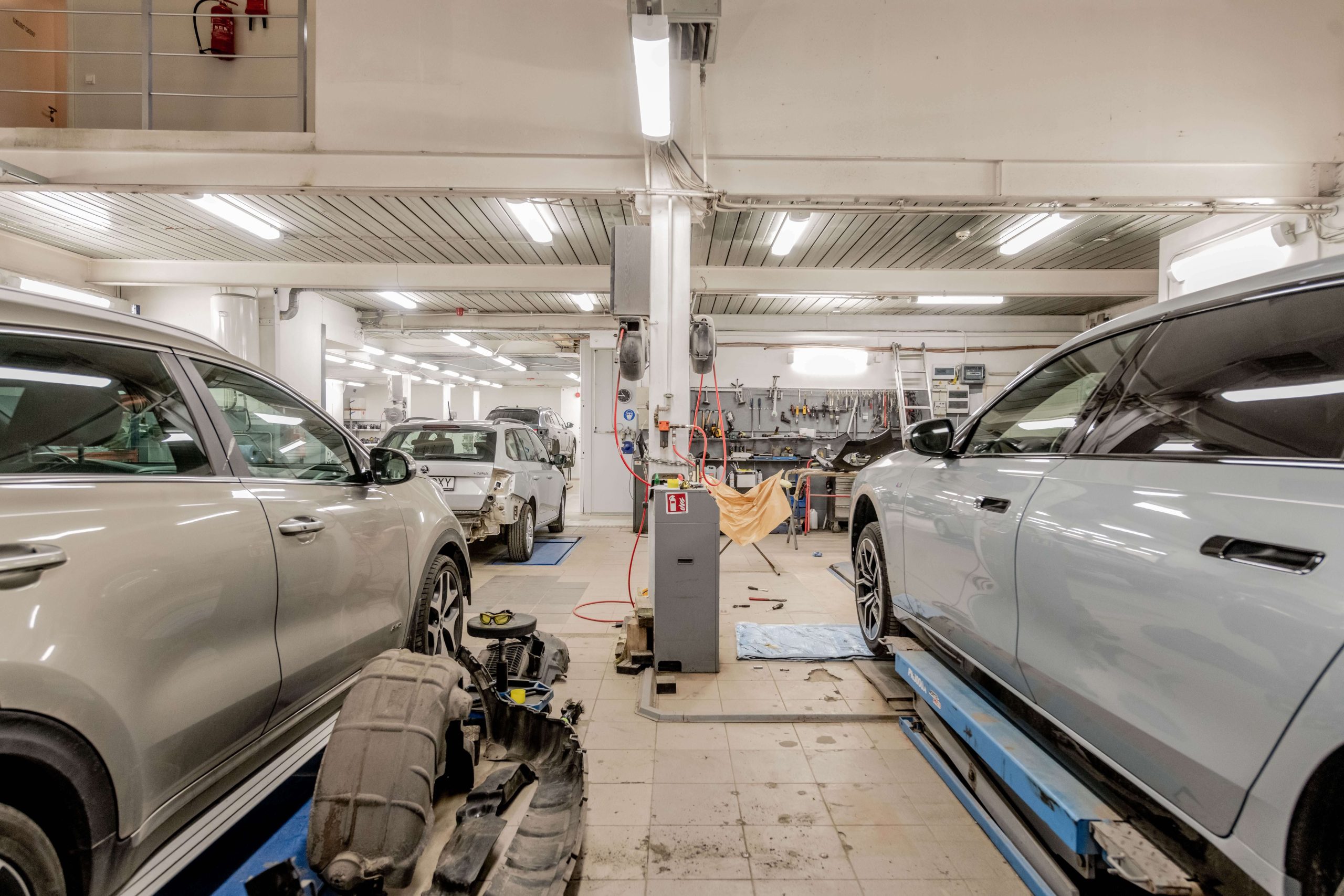
Cars have undeniably grown safer over the years, with constant advances in driver assistance features, build materials, and features such as crumple zones. However, even modern vehicles can suffer from safety defects capable of putting drivers, passengers, and other road users at risk. When a vehicle is found to be unsafe, either the National Highway Traffic Safety Administration (NHTSA) or the manufacturer can issue a recall to correct the dangerous defect. Currently, Ford leads all automakers in recalls over the past two years by a wide margin, but most manufacturers issue at least a few recalls annually. In this article, we discuss what motor vehicle recalls are and what you should do if you are affected.
What Are Motor Vehicle Recalls?
A motor vehicle recall is issued when a number of similar cars, SUVs, or trucks are found to suffer from an identical safety defect or are non-compliant with federal laws and regulations (such as emissions standards). Either the vehicle’s manufacturer or the federal government can take the lead in initiating a safety recall to correct the dangerous or non-compliant condition. Fortunately for vehicle owners, recall repairs are always carried out for free and recall orders do not expire. If you own or are considering purchasing a vehicle with an open recall order, you can still have the defect fixed at no cost.
Keep in mind that recalls may be confused with Customer Satisfaction Programs, which are issued by manufacturers to upgrade specific vehicle components or warranties. Since Customer Satisfaction Programs are not mandated by the government and do not necessarily address serious safety flaws, they do expire.
How to Determine if Your Vehicle Has Been Recalled
When a new recall order is created, manufacturers are require to mail notices to all affected vehicle owners that can be reached. Your notice will be sent to the address your vehicle is registered at, making it vital to keep your address and contact information up-to-date. It’s possible that your notice may be lost in the mail, delivered to a previous owner’s address, or otherwise fail to show up for one reason or another. You should get into the habit of checking for recalls affecting your family’s vehicles at least once or twice a year.
The NHTSA maintains a recall portal that you can use to quickly search for any issues with your family’s vehicles. The easiest way to search for recalls is to enter your Vehicle Identification Number (VIN). If you don’t know your VIN, you can also search by your vehicle’s license plate or make, model, and year. If your vehicle is part of an active recall, you will be able to access documents explaining the problem, remedy, and options for reimbursement if you already paid to have the issue corrected.
What to Do if Your Vehicle is Recalled
Receiving a notification that your vehicle has been recalled can be stressful. The first thing to do is determine the severity of the situation. Review the NHTSA’s recall materials to determine why your car has been recalled and what the remedy is. In some cases, you may be able to continue safely operating your vehicle until it can be repaired at your local dealership. However, there are some issues that can cause your vehicle to be a fire risk or increase the chances of a collision.
Once you’ve determined what exactly you’re dealing with, it’s time to schedule a service appointment at your local dealership. The timeline of recall work varies significantly depending on what the recall remedy is. Sometimes, the dealership may simply need to inspect your vehicle to determine whether it is affected by defects noted in similar models. If your vehicle is unaffected, it’s possible that you’ll get your car back with no further work needed. Other issues can be corrected by a quick software update, which can frequently be conveniently carried out in your own driveway through an over-the-air (OTA) software patch.
When your vehicle needs parts repaired or replaced, it may take weeks or months to have your vehicle serviced. Many recalls affect thousands or hundreds of thousands of vehicles, so it can take significant time for dealerships to acquire enough replacement parts or repair tools to carry out repair work at such scale. It’s in your best interest to call your local dealership as soon as you become aware of a recall, so you can get your car serviced as soon as possible.
What Should You Do if You Believe Your Vehicle is Defective?
If you believe that your vehicle or any associated equipment (such as tires or car seats) have an inherent defect, you can contact the NHTSA by calling the Vehicle Safety Hotline at 888-327-4236 or filling out an online form. The NHTSA can investigate the reported issue and determine whether other vehicle owners have experienced similar problems. Similarly, if your vehicle has been serviced for a recall and you are still experiencing the problem that caused the initial recall, you should report your experience. It’s possible that your report could turn into a future safety recall that saves lives and protects people on the streets!
Don’t Wait, Address Recall Work Quickly
If you become aware of a recall order affecting your vehicle, don’t wait to contact your local dealership. The sooner your vehicle is fixed, the sooner you can get back on the road.



No Comment