

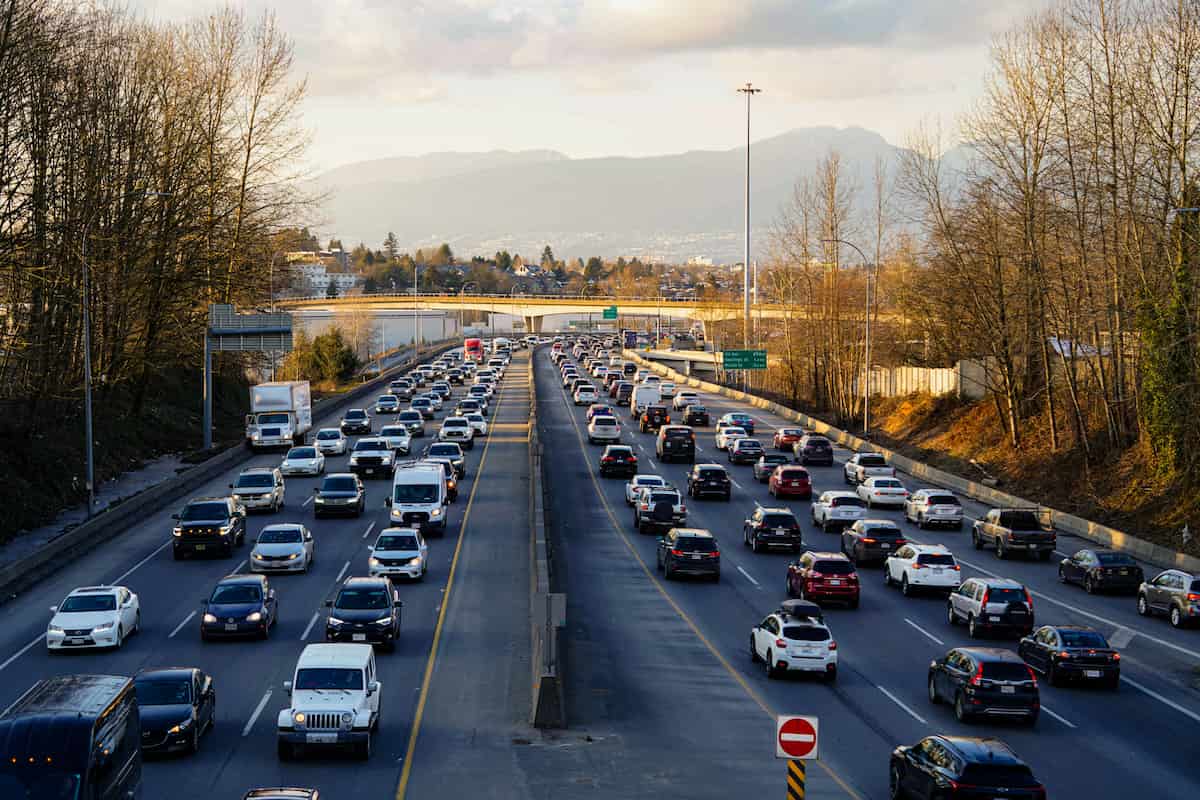
Holiday travel brings people together, but it also creates a unique set of risks on the road, especially when out-of-state drivers are involved. A recent 10-year Louisiana holiday crash analysis highlights how major travel periods like Christmas, New Year’s, and Mardi Gras consistently see spikes in serious crashes tied to increased traffic, nighttime driving, and unfamiliar road conditions.
Each year, millions of drivers cross state lines to visit family, attend events, or take holiday vacations. When unfamiliar drivers are added to already congested roads, even small mistakes can quickly turn into serious accidents. Understanding why out-of-state drivers face higher risks during holiday travel can help travelers make safer decisions before hitting the road.
Unfamiliar Roads Create Split-Second Mistakes
One of the biggest challenges for out-of-state drivers is simple unfamiliarity. Drivers navigating a new city or state often rely heavily on GPS, road signs, and last-second directions. During the holidays, this problem is amplified by heavier traffic and frequent congestion.
Missing an exit, slowing abruptly to read signs, or making sudden lane changes can quickly lead to rear-end collisions or side-impact crashes, especially on highways and major interchanges. In states with complex road systems or heavy holiday tourism, these split-second decisions can have serious consequences.
Holiday Traffic Leaves Less Room for Error
Holiday driving is not the same as regular commuting. Roads are often more crowded with drivers who are already stressed, running late, or distracted. When out-of-state drivers enter this environment, even small misjudgments can escalate quickly.
During peak holiday periods, traffic volume increases on interstates, rural highways, and city roads alike. With less space between vehicles and more stop-and-go traffic, there’s far less margin for error. A hesitant merge or delayed reaction time can trigger chain-reaction crashes involving multiple vehicles.
Why Holiday Routes Are Especially Dangerous for Visitors
Holiday travel often pushes drivers onto routes they wouldn’t normally take. Detours, temporary traffic patterns, construction zones, and event-related road closures are far more common during peak travel periods. For out-of-state drivers unfamiliar with these changes, navigation apps may lag behind real-time conditions, leading to last-minute lane changes or sudden stops.
Popular holiday destinations also experience surges in pedestrian traffic near shopping districts, entertainment areas, and event venues. Drivers unfamiliar with these high-activity zones may underestimate how quickly traffic slows or how frequently pedestrians cross outside of marked intersections, increasing the risk of collisions.
Distractions Increase for Traveling Drivers
Out-of-state drivers are more likely to be distracted behind the wheel. Navigation apps, unfamiliar routes, searching for hotels or restaurants, and coordinating plans with passengers all pull attention away from driving.
Holiday travel also brings emotional distractions, fatigue from long drives, pressure to arrive on time, and the stress of traveling with family. These distractions increase the likelihood of missed signals, late braking, or failure to notice changing traffic conditions.
Night Driving and Alcohol Play a Bigger Role During Holidays
Many holiday trips involve nighttime driving to avoid daytime traffic or accommodate work schedules. Unfortunately, night driving already carries higher risks due to reduced visibility and slower reaction times. When combined with unfamiliar roads, the danger increases significantly for out-of-state drivers.
Alcohol also plays a larger role during holiday periods. Celebrations, parties, and events increase the number of impaired drivers on the road. Out-of-state drivers may be unfamiliar with local enforcement patterns, high-risk areas, or holiday events that attract heavy foot and vehicle traffic.
Federal safety agencies have long recognized this risk. The National Highway Traffic Safety Administration (NHTSA) runs its annual Drive Sober or Get Pulled Over campaign during major holidays to address the spike in impaired driving that occurs during nighttime travel and peak celebration periods.
The Louisiana holiday crash analysis found that serious crashes consistently spike during major holidays, particularly those involving nighttime travel and alcohol-related incidents. While the study focused on Louisiana, the patterns it identified are common across many states during peak holiday travel periods.
Different Driving Laws and Road Customs
Driving laws and local road customs vary from state to state. Speed limits, left-lane rules, signage, and enforcement practices aren’t always consistent. Out-of-state drivers may unintentionally violate local laws or misinterpret traffic behavior, increasing the risk of collisions.
In addition to legal differences, regional driving habits can catch visiting drivers off guard. Some areas have faster highway flow, more aggressive merging, or less tolerance for hesitation. During the holidays, these differences become more pronounced as locals rush to events and visitors struggle to adapt.
These mismatched expectations can create dangerous situations where drivers misread one another’s intentions, leading to sideswipe accidents, rear-end collisions, or intersection crashes, especially when traffic volume is already elevated.
Why Out-of-State Accidents Can Be More Complicated
When accidents involve drivers from different states, the aftermath can become more complex. Insurance policies, fault laws, and legal procedures may differ depending on where each driver is from. Determining jurisdiction, handling claims, and resolving disputes can take longer than accidents involving only local drivers.
This makes prevention even more important. Avoiding risky travel times and staying alert can save drivers from physical injuries, along with legal and financial headaches later on.
Tips for Safer Holiday Travel Across State Lines
While holiday travel always carries some risk, out-of-state drivers can reduce their chances of being involved in an accident by planning ahead. Building extra time into travel plans, avoiding peak driving hours, limiting nighttime driving when possible, and staying focused behind the wheel all make a difference.
Taking breaks during long drives, minimizing distractions inside the vehicle, and being cautious in unfamiliar areas can help drivers adapt more safely to new road environments.
Planning Makes All the Difference
Holiday travel doesn’t have to end in an accident. By understanding why out-of-state drivers face higher risks and taking steps to prepare, travelers can make safer decisions before hitting the road. Awareness, patience, and careful planning go a long way in reducing holiday crash risks, no matter where the journey begins or ends.




No Comment